

As a supplier of Single Phase Din Rail Wifi Smart Energy Meters, I often get asked about how to verify the accuracy of these meters. It's a crucial aspect, especially when you're dealing with energy consumption data that can have a significant impact on your costs and operations. So, let's dive into the details of how you can ensure the accuracy of these meters.

Understanding the Basics
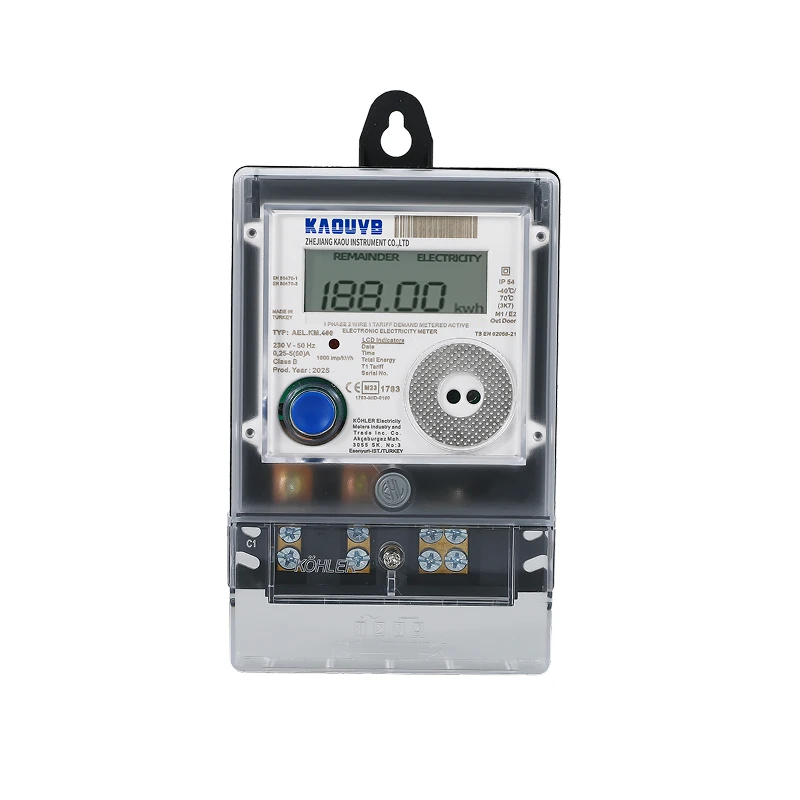
First off, let's understand what a Single Phase Din Rail Wifi Smart Energy Meter is. It's a device that measures the electrical energy consumption in a single - phase electrical system. The "Din Rail" part means it can be easily mounted on a standard Din rail, which is a common way to install electrical equipment in industrial and commercial settings. The "Wifi" feature allows it to connect to a local network, enabling remote monitoring and data collection. And of course, it's "smart," which means it can provide detailed energy usage information and often has features like real - time monitoring and data logging.
Why Accuracy Matters
Accuracy is of utmost importance when it comes to energy meters. Inaccurate readings can lead to incorrect billing, which can either cost you more money or result in lost revenue if you're a utility provider. Moreover, in industrial settings, accurate energy data is essential for process optimization, energy management, and compliance with energy regulations.
Verification Methods
1. Comparison with a Known Standard
One of the most straightforward ways to verify the accuracy of a Single Phase Din Rail Wifi Smart Energy Meter is to compare its readings with a known standard. You can use a high - precision reference meter that has been calibrated by a recognized standards organization. Connect both the meter under test and the reference meter to the same electrical circuit. Then, let them run for a specific period, say an hour or a day, and record the readings from both meters.
If the readings are close within an acceptable tolerance (usually specified by the meter's manufacturer), then the meter under test is likely accurate. For example, if the reference meter shows 10 kWh of energy consumption and the meter under test shows 10.1 kWh, and the manufacturer's tolerance is ± 1%, then the meter is within the acceptable range.
2. Testing in a Controlled Environment
Another method is to test the meter in a controlled environment. You can set up a test bench with a stable power source and a load of known characteristics. This allows you to precisely control the electrical parameters such as voltage, current, and power factor.
By applying a known load to the meter and comparing the measured energy consumption with the theoretical value, you can determine the accuracy of the meter. For instance, if you apply a 1 - kW load for one hour, the theoretical energy consumption is 1 kWh. If the meter measures close to this value, it indicates good accuracy.
3. Software - Based Verification
Many Single Phase Din Rail Wifi Smart Energy Meters come with software that can be used for verification. The software can analyze the meter's data and perform various checks. For example, it can check for abnormal fluctuations in energy consumption, which could indicate a problem with the meter.
Some software also allows you to perform self - diagnostic tests on the meter. These tests can detect issues such as sensor failures or communication problems. If the software reports any errors, it's a sign that the meter may not be accurate.
Factors Affecting Accuracy
There are several factors that can affect the accuracy of a Single Phase Din Rail Wifi Smart Energy Meter.
1. Environmental Conditions
Temperature, humidity, and electromagnetic interference can all have an impact on the meter's performance. High temperatures can cause the internal components of the meter to expand, which may affect the accuracy of the sensors. Similarly, electromagnetic interference from nearby electrical equipment can disrupt the meter's measurement circuits.
2. Installation
Proper installation is crucial for accurate readings. If the meter is not installed correctly, for example, if the connections are loose or the meter is not properly grounded, it can lead to inaccurate measurements.
3. Aging and Wear
Over time, the components of the meter can wear out, which can affect its accuracy. Regular maintenance and calibration can help mitigate this issue.
Our Product Range
As a supplier, we offer a variety of Single Phase Din Rail Wifi Smart Energy Meters, including the Single Phase Reset Din Rail Energy Meter, Single Phase Wifi Energy Meter, and Single Phase Smart Prepayment Meter. These meters are designed with high - quality components and advanced technology to ensure accurate and reliable energy measurement.
Contact Us for Purchase
If you're interested in purchasing our Single Phase Din Rail Wifi Smart Energy Meters or have any questions about their accuracy verification, feel free to reach out to us. We're here to help you make the right choice for your energy measurement needs.
References
- International Electrotechnical Commission (IEC) standards on electrical energy meters.
- Manufacturer's manuals and technical documentation for Single Phase Din Rail Wifi Smart Energy Meters.