

Can a Single Phase Voltage Protection Meter be used in a telecommunications power system?
In the dynamic landscape of telecommunications, a reliable power supply is the linchpin that holds everything together. Telecommunications equipment, from base stations to data centers, demands a stable and consistent electrical input to function optimally. Any fluctuations in voltage can lead to equipment malfunctions, data loss, and even complete system failures. This is where the role of a Single Phase Voltage Protection Meter becomes crucial. As a supplier of these meters, I often encounter the question: Can a Single Phase Voltage Protection Meter be used in a telecommunications power system? Let's delve into this topic to understand the feasibility and benefits.

Understanding the Telecommunications Power System
Telecommunications power systems are complex networks designed to provide uninterrupted power to various components. These systems typically consist of multiple power sources, such as utility power, generators, and batteries, along with power distribution units (PDUs), uninterruptible power supplies (UPS), and other ancillary equipment. The power requirements of telecommunications equipment are highly specific, with strict tolerances for voltage, frequency, and waveform.
Voltage stability is of utmost importance in telecommunications. Even minor voltage variations can cause significant problems, such as overheating of equipment, reduced lifespan of components, and interference with signal transmission. Therefore, maintaining a stable voltage within the specified range is essential for the reliable operation of telecommunications systems.
The Role of a Single Phase Voltage Protection Meter
A Single Phase Voltage Protection Meter is a device designed to monitor and protect electrical circuits from overvoltage and undervoltage conditions. It continuously measures the voltage of a single-phase electrical supply and triggers an alarm or takes corrective action if the voltage exceeds or falls below the preset limits. This helps to prevent damage to equipment and ensure the safety of personnel.
The meter typically consists of a voltage sensor, a control unit, and an output relay. The voltage sensor measures the voltage of the electrical supply and sends the signal to the control unit. The control unit compares the measured voltage with the preset limits and activates the output relay if necessary. The output relay can be used to control a circuit breaker, a contactor, or other protective devices to isolate the load from the power supply in case of a voltage fault.
Feasibility of Using a Single Phase Voltage Protection Meter in a Telecommunications Power System
The use of a Single Phase Voltage Protection Meter in a telecommunications power system is feasible and offers several benefits. Here are some key reasons why it can be a valuable addition to the system:
- Voltage Monitoring and Protection: The meter provides real-time monitoring of the voltage of the single-phase electrical supply, allowing operators to detect and respond to voltage fluctuations promptly. This helps to prevent damage to telecommunications equipment and ensure the reliability of the system.
- Alarm and Notification: In case of an overvoltage or undervoltage condition, the meter can trigger an alarm or send a notification to the operators. This enables them to take immediate action to rectify the problem and prevent further damage.
- Compatibility: Single Phase Voltage Protection Meters are available in a variety of configurations and can be easily integrated into existing telecommunications power systems. They can be installed at various points in the system, such as at the input of a UPS, a PDU, or a specific piece of equipment.
- Cost-Effective Solution: Compared to other voltage protection devices, such as voltage regulators and surge protectors, Single Phase Voltage Protection Meters are relatively inexpensive. They offer a cost-effective way to protect telecommunications equipment from voltage fluctuations without incurring significant capital expenditure.
Considerations for Using a Single Phase Voltage Protection Meter in a Telecommunications Power System
While a Single Phase Voltage Protection Meter can be a valuable addition to a telecommunications power system, there are some considerations that need to be taken into account:
- System Requirements: Before installing a Single Phase Voltage Protection Meter, it is important to understand the specific requirements of the telecommunications power system. This includes the voltage range, frequency, and waveform of the electrical supply, as well as the power rating and sensitivity of the equipment.
- Installation and Configuration: The meter should be installed and configured correctly to ensure its proper operation. This includes selecting the appropriate location for the meter, connecting it to the electrical supply and the load, and setting the preset limits for overvoltage and undervoltage protection.
- Maintenance and Calibration: Regular maintenance and calibration of the meter are essential to ensure its accuracy and reliability. This includes checking the meter for any signs of damage or malfunction, cleaning the voltage sensor, and recalibrating the meter at regular intervals.
- Compatibility with Other Devices: The Single Phase Voltage Protection Meter should be compatible with other devices in the telecommunications power system, such as UPS, PDUs, and generators. This includes ensuring that the meter can communicate with these devices and provide the necessary information for coordinated operation.
Related Products
In addition to Single Phase Voltage Protection Meters, we also offer a range of other electrical meters that can be used in telecommunications power systems. These include:
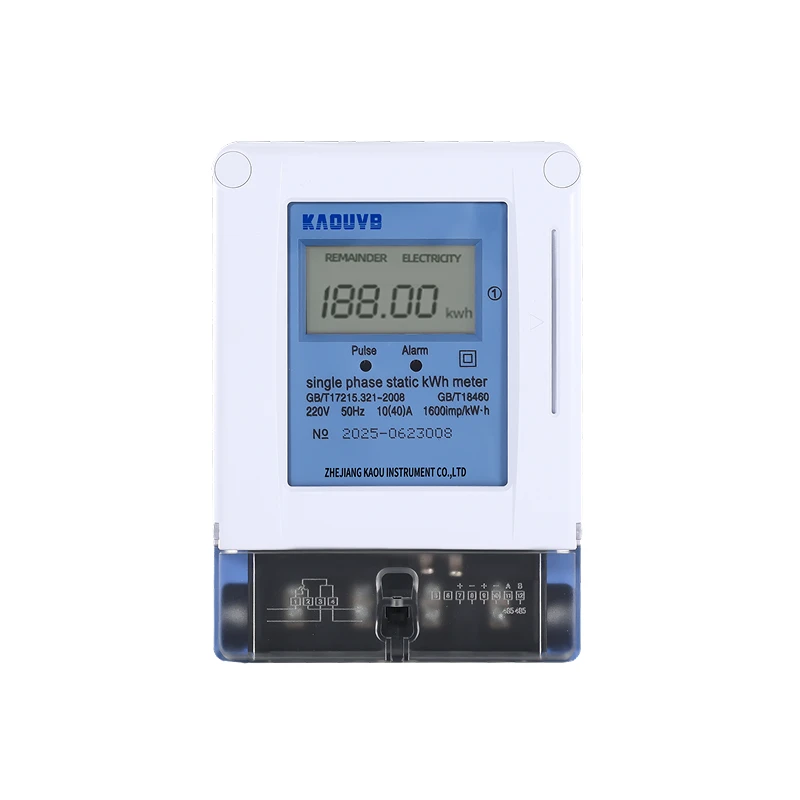
- Single Phase Static KWh Meter: This meter is used to measure the electrical energy consumption of a single-phase electrical supply. It provides accurate and reliable energy measurement, making it suitable for use in telecommunications power systems.
- Single Phase 4P Digital Din Rail Meter: This meter is designed for use in industrial and commercial applications. It offers a wide range of measurement functions, including voltage, current, power, energy, and frequency, and can be easily installed on a DIN rail.
- Single Phase Smart Prepayment Meter: This meter allows users to prepay for their electricity consumption, providing a convenient and cost-effective way to manage energy usage. It is suitable for use in telecommunications power systems where energy management is a priority.
Conclusion
In conclusion, a Single Phase Voltage Protection Meter can be used in a telecommunications power system to monitor and protect the electrical supply from overvoltage and undervoltage conditions. It offers several benefits, including voltage monitoring and protection, alarm and notification, compatibility, and cost-effectiveness. However, before installing a meter, it is important to consider the specific requirements of the system, ensure proper installation and configuration, and perform regular maintenance and calibration.
If you are interested in learning more about our Single Phase Voltage Protection Meters or other electrical meters for telecommunications power systems, please contact us for a consultation. Our team of experts will be happy to assist you in selecting the right products for your needs and providing you with the necessary support and guidance.
References
- Electrical Power Systems: Design and Analysis, Third Edition by Turan Gonen
- Telecommunications Power Systems Handbook by David L. Schilling
- Handbook of Electric Power Calculations, Fourth Edition by Hadi Saadat