

Can I share the electricity meter data with third - party providers?
As an electricity meter supplier, I often encounter questions from customers about sharing electricity meter data with third - party providers. This is a topic that combines technical, legal, and ethical aspects, and it's crucial to understand the implications before making a decision.
Technical Feasibility
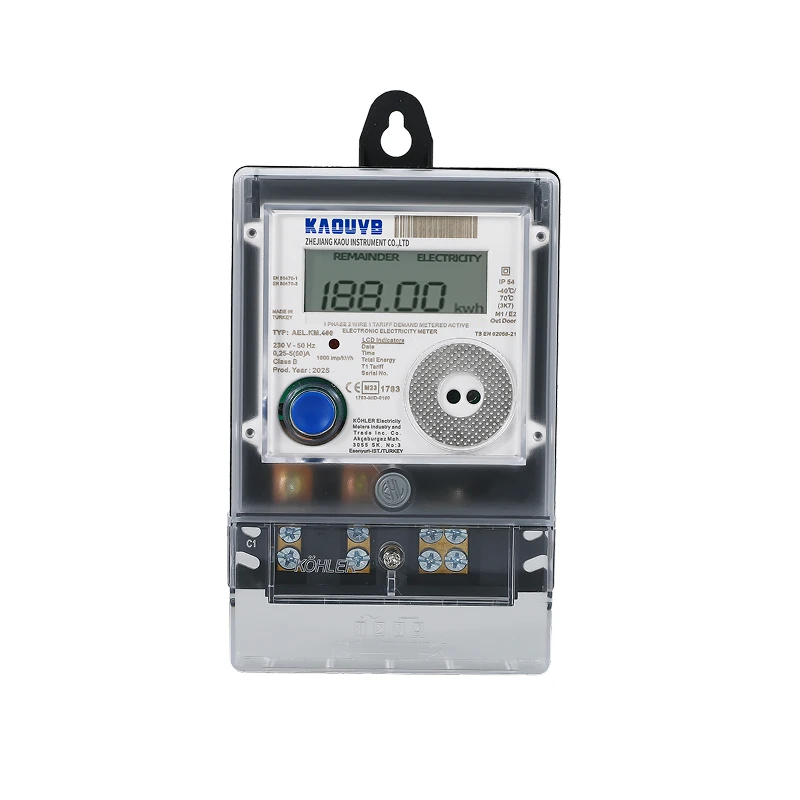
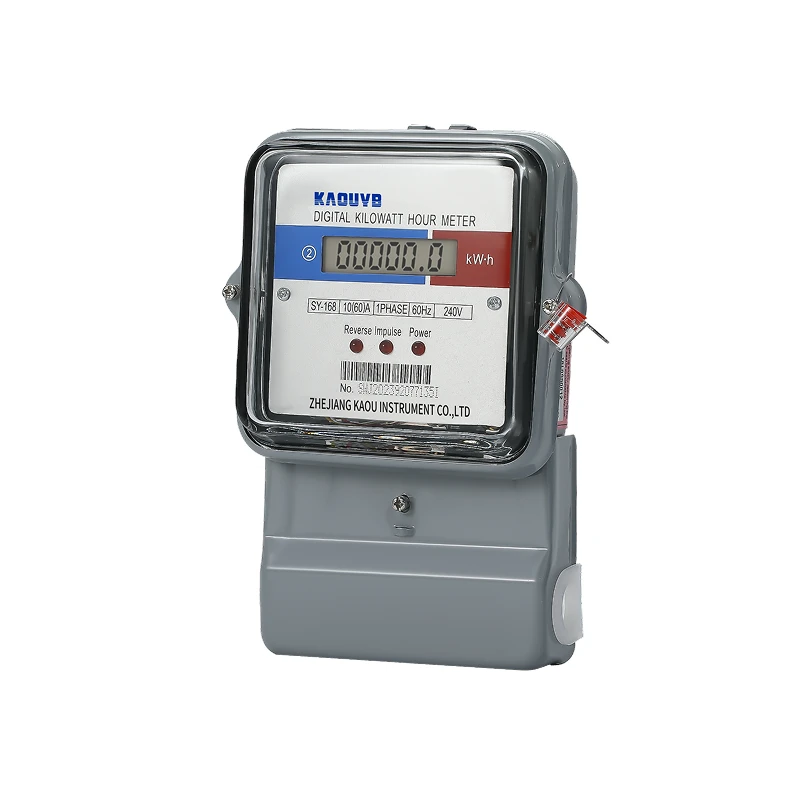
Modern electricity meters are equipped with advanced communication capabilities. For example, our Single Phase 4P Digital Din Rail Meter and Single Phase Wifi Energy Meter are designed to collect and transmit data efficiently. These meters can communicate via various protocols such as Modbus, DLMS, or Wi - Fi, which makes it technically possible to share data with third - party providers.
The data collected by these meters includes real - time electricity consumption, peak and off - peak usage, and power factor. Third - party providers, such as energy management companies or data analytics firms, can use this data to provide valuable services to customers. For instance, they can analyze the consumption patterns and offer suggestions for energy conservation, or help customers optimize their electricity usage to reduce costs.
However, sharing data also requires proper security measures. Our meters are built with encryption and authentication mechanisms to ensure that the data is protected during transmission. We use industry - standard encryption algorithms to safeguard the information from unauthorized access. This is essential because the electricity consumption data is sensitive information that can reveal a lot about a customer's lifestyle and business operations.
Legal and Regulatory Considerations
In many regions, there are strict regulations regarding the sharing of electricity meter data. These regulations are in place to protect the privacy and security of consumers. For example, in the European Union, the General Data Protection Regulation (GDPR) imposes strict rules on how personal data, including electricity consumption data, can be collected, processed, and shared.
As an electricity meter supplier, we are required to comply with these regulations. Before sharing any data with third - party providers, we need to obtain explicit consent from the customers. This consent should be informed, meaning that customers should be aware of who will receive the data, what the data will be used for, and how long it will be stored.
We also need to ensure that the third - party providers have appropriate security measures in place to protect the data. This includes conducting due diligence on the providers' data security practices and signing data protection agreements with them.
Ethical Considerations
Beyond legal requirements, there are also ethical considerations when sharing electricity meter data. Customers trust us to handle their data responsibly. We have a moral obligation to ensure that the data is used in a way that benefits the customers and does not cause any harm.
For example, if a third - party provider uses the data to target customers with advertising or sell the data to other parties without the customers' knowledge, it would be a violation of the customers' trust. We need to ensure that the data is used only for the purposes that the customers have agreed to.
Benefits of Sharing Data
Despite the challenges, there are several benefits to sharing electricity meter data with third - party providers. For customers, it can lead to cost savings and better energy management. By analyzing the data, energy management companies can identify areas where energy consumption can be reduced and provide customized solutions.
For businesses, sharing data can also help in optimizing their operations. For example, a manufacturing company can use the data to schedule production during off - peak hours, which can result in significant cost savings.
In addition, sharing data can contribute to the development of a more sustainable energy system. By understanding consumption patterns, energy providers can better plan and manage the grid, leading to more efficient use of energy resources.
How to Share Data Securely
If a customer decides to share their electricity meter data with a third - party provider, we provide a secure process. First, we ensure that the customer has given their explicit consent. Then, we use secure communication channels to transfer the data.
We also offer customers the option to control what data is shared and with whom. For example, they can choose to share only their overall consumption data and not their detailed usage patterns.
Conclusion
In conclusion, sharing electricity meter data with third - party providers is possible, but it requires careful consideration of technical, legal, and ethical aspects. As an electricity meter supplier, we are committed to providing our customers with the best possible solutions while ensuring the security and privacy of their data.
If you are interested in learning more about our electricity meters or have questions about sharing data, we encourage you to reach out to us for a detailed discussion. We are here to help you make informed decisions about your energy management needs.
References
- General Data Protection Regulation (GDPR)
- Industry standards for electricity meter communication protocols