

Hey there! As a water meter supplier, I often get asked about how these nifty devices measure water consumption. So, I thought I'd break it down for you in a way that's easy to understand.
Let's start with the basics. A water meter is a device that measures the volume of water that passes through it. It's usually installed at the point where water enters a building, like a house or an apartment complex. There are different types of water meters, but the most common ones are mechanical and electronic meters.
Mechanical Water Meters
Mechanical water meters have been around for a long time, and they're still widely used today. They work based on the principle of mechanical movement. Inside the meter, there are a series of gears and chambers. When water flows through the meter, it causes the gears to turn. The rotation of these gears is then translated into a measurement of the water volume.
One of the most common types of mechanical water meters is the positive displacement meter. In this type of meter, water is trapped in small chambers of known volume. As the water fills and empties these chambers, the movement is counted, and the total volume of water passing through the meter is calculated. Positive displacement meters are very accurate, especially for measuring small to medium amounts of water. They're often used in residential settings.
Another type of mechanical water meter is the turbine meter. In a turbine meter, water flows through a pipe and causes a turbine to spin. The speed of the turbine is proportional to the flow rate of the water. By measuring the rotation speed of the turbine, the meter can calculate the volume of water that has passed through. Turbine meters are more suitable for larger flow rates and are commonly used in commercial and industrial applications.
Electronic Water Meters
Electronic water meters are a more modern alternative to mechanical meters. They use sensors and electronic components to measure water consumption. One of the main advantages of electronic meters is their high accuracy and the ability to provide real - time data.
One type of electronic water meter is the ultrasonic meter. Ultrasonic meters work by sending ultrasonic waves through the water. The time it takes for the waves to travel through the water is affected by the flow rate of the water. By measuring the difference in the travel time of the ultrasonic waves in the direction of the flow and against the flow, the meter can calculate the flow rate and, ultimately, the volume of water passing through. Ultrasonic meters are very accurate and have no moving parts, which means they require less maintenance.

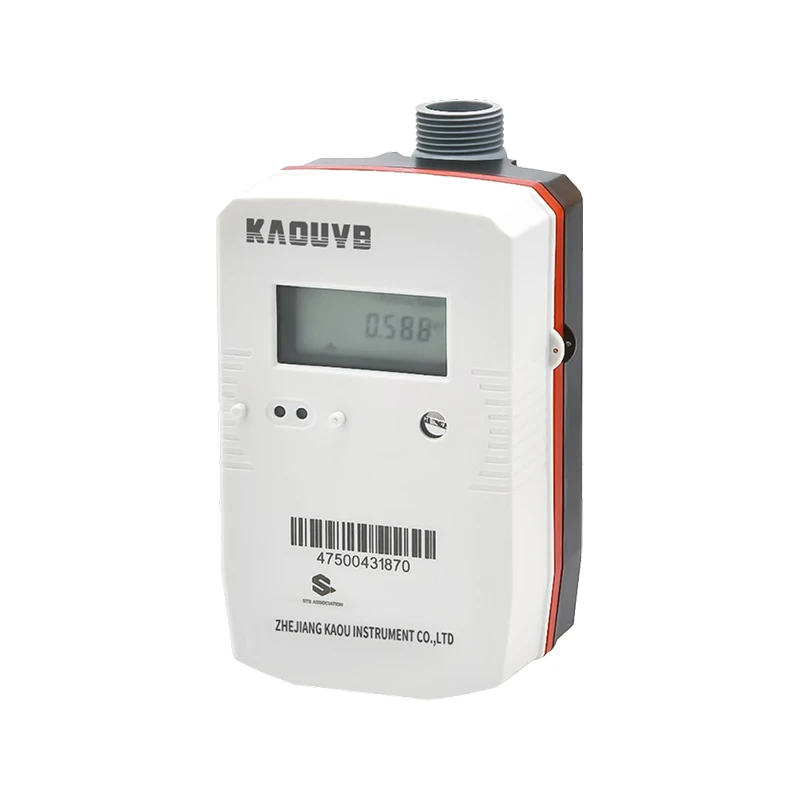
Another type of electronic meter is the electromagnetic meter. These meters use the principle of electromagnetic induction. When water, which is a conductive fluid, flows through a magnetic field created by the meter, an electric voltage is generated. The magnitude of this voltage is proportional to the flow rate of the water. Electromagnetic meters are also very accurate and are often used in applications where high - precision measurement is required.
How Water Meters are Calibrated
Calibration is an important part of ensuring the accuracy of water meters. Water meters are calibrated at the factory before they are shipped out. During the calibration process, the meter is tested with a known volume of water. The meter's readings are then compared to the actual volume of water that has passed through it. If there are any discrepancies, the meter is adjusted to ensure accurate measurement.
Regular calibration is also necessary during the meter's lifespan. Over time, factors such as wear and tear, sediment buildup, or changes in water quality can affect the accuracy of the meter. Utility companies or water suppliers usually have a schedule for calibrating and maintaining water meters to ensure that they continue to provide accurate readings.
Our Water Meter Products
As a water meter supplier, we offer a range of high - quality water meters to meet different needs. For example, we have the Split Prepaid Water Meter. This type of meter allows users to prepay for water, which can be a great way to manage water usage and costs. It's also very convenient, as it can be easily installed and used in various settings.
We also have the Plastic Pipe Prepaid Water Meter. This meter is designed specifically for use with plastic pipes. It's lightweight, corrosion - resistant, and offers accurate measurement. It's a popular choice for residential and small - scale commercial applications.
And for those who need a water meter for copper pipes, we have the Copper Pipe Prepaid Water Meter. This meter is built to withstand the high - pressure and high - flow conditions often found in copper pipe systems. It provides reliable and accurate measurement of water consumption.
Why Choose Our Water Meters
Our water meters are known for their high quality, accuracy, and durability. We use the latest technology and materials to ensure that our meters can provide accurate readings even in harsh environments. Our meters are also easy to install and maintain, which can save you time and money in the long run.
If you're in the market for a water meter, whether it's for a residential, commercial, or industrial application, we'd love to hear from you. We can help you choose the right water meter for your specific needs and provide you with all the support you need during the installation and operation process.
In conclusion, water meters play a crucial role in measuring water consumption. Whether it's a mechanical or electronic meter, they all work based on specific principles to accurately measure the volume of water that passes through them. And as a water meter supplier, we're committed to providing high - quality products that can help you manage your water usage effectively.
If you're interested in learning more about our water meters or have any questions about water consumption measurement, feel free to reach out to us. We're here to help you make the best choice for your water metering needs.
References
- "Water Meter Handbook" by the American Water Works Association
- "Principles of Water Metering" by various industry experts