

Troubleshooting a single phase metal base energy meter is a crucial skill for anyone involved in the electrical industry, especially for us as a Single Phase Metal Base Energy Meter supplier. This blog post will guide you through the process of identifying and resolving common issues with these meters, ensuring accurate energy measurement and reliable performance.
Understanding the Single Phase Metal Base Energy Meter
Before we delve into troubleshooting, it's essential to have a basic understanding of how a single phase metal base energy meter works. These meters are designed to measure the electrical energy consumed in a single-phase electrical system. They typically consist of a metal base housing, a measuring element, and a display unit. The measuring element uses electromagnetic induction to measure the current and voltage in the circuit, and the display unit shows the amount of energy consumed.
Common Issues and Troubleshooting Steps
1. No Display or Inaccurate Display
- Possible Causes:
- Power supply issues: The meter may not be receiving power due to a blown fuse, loose connections, or a faulty power supply.
- Display unit malfunction: The display unit may be damaged or have a software issue.
- Troubleshooting Steps:
- Check the power supply: Ensure that the meter is properly connected to the power source and that the fuse is not blown. If the fuse is blown, replace it with a fuse of the same rating.
- Inspect the connections: Check all the connections between the meter and the electrical circuit. Make sure they are tight and free of corrosion.
- Reset the meter: Some meters have a reset button. Press the reset button to see if the display returns to normal.
- If the problem persists, the display unit may be faulty. Contact the manufacturer or a qualified technician for further assistance.
2. Incorrect Energy Measurement
- Possible Causes:
- Incorrect wiring: The meter may be wired incorrectly, leading to inaccurate energy measurement.
- Faulty measuring element: The measuring element may be damaged or malfunctioning.
- Environmental factors: Extreme temperatures, humidity, or electromagnetic interference can affect the accuracy of the meter.
- Troubleshooting Steps:
- Check the wiring: Refer to the meter's installation manual to ensure that the wiring is correct. If the wiring is incorrect, correct it according to the manual.
- Test the measuring element: Use a multimeter to test the measuring element for continuity and proper functioning. If the measuring element is faulty, it may need to be replaced.
- Check the environmental conditions: Ensure that the meter is installed in a suitable environment. If the environmental conditions are not ideal, consider relocating the meter or taking measures to protect it from the elements.
3. Meter Not Recording Energy Consumption
- Possible Causes:
- Meter tampering: The meter may have been tampered with, preventing it from recording energy consumption.
- Faulty internal components: The meter's internal components, such as the relay or the microcontroller, may be faulty.
- Troubleshooting Steps:
- Inspect the meter for signs of tampering: Look for any signs of damage or unauthorized access to the meter. If the meter has been tampered with, contact the relevant authorities.
- Check the internal components: If the meter is not recording energy consumption, the internal components may be faulty. Contact the manufacturer or a qualified technician for further diagnosis and repair.
Importance of Regular Maintenance
Regular maintenance is essential to ensure the accurate and reliable performance of single phase metal base energy meters. Here are some maintenance tips:
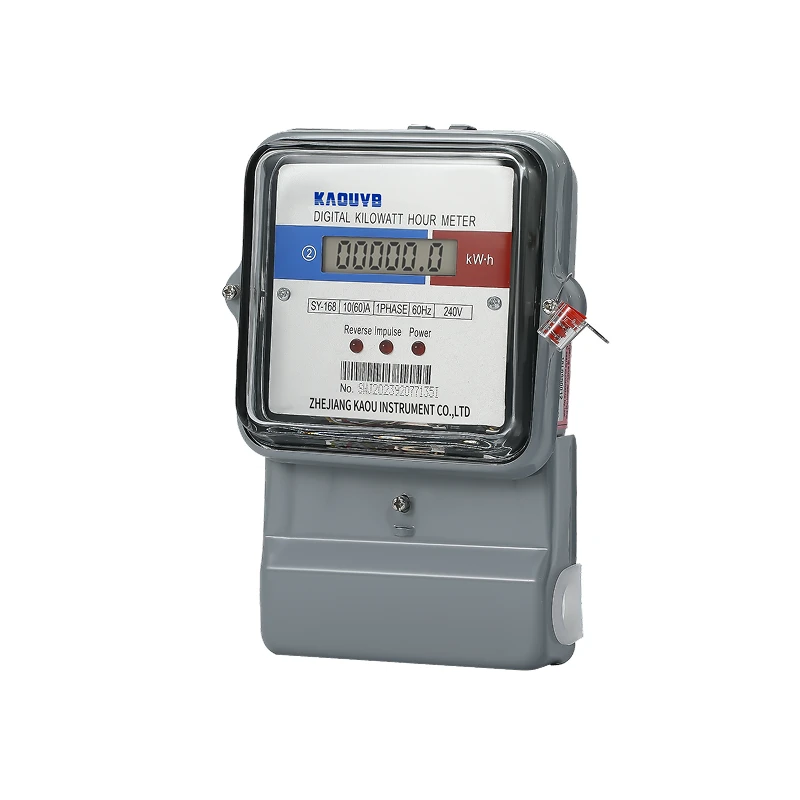

- Clean the meter: Regularly clean the meter to remove dust, dirt, and debris. Use a soft, dry cloth to wipe the meter's surface.
- Inspect the connections: Periodically check the connections between the meter and the electrical circuit. Make sure they are tight and free of corrosion.
- Test the meter: Use a calibrated test device to test the meter's accuracy at regular intervals. If the meter is found to be inaccurate, have it calibrated or replaced.
Conclusion
Troubleshooting a single phase metal base energy meter requires a basic understanding of how the meter works and the ability to identify and resolve common issues. By following the troubleshooting steps outlined in this blog post and performing regular maintenance, you can ensure the accurate and reliable performance of your energy meters.
If you are in the market for high-quality single phase energy meters, we are a leading supplier of Single Phase Metal Base Energy Meter. We also offer a wide range of other energy meters, including Single Phase Counter Din Rail Meter and Single Phase DC Multifunction Meter. Contact us today to discuss your energy meter requirements and explore how we can meet your needs.
References
- Electrical Installation Manuals
- Manufacturer's Technical Documents
- Industry Standards and Guidelines